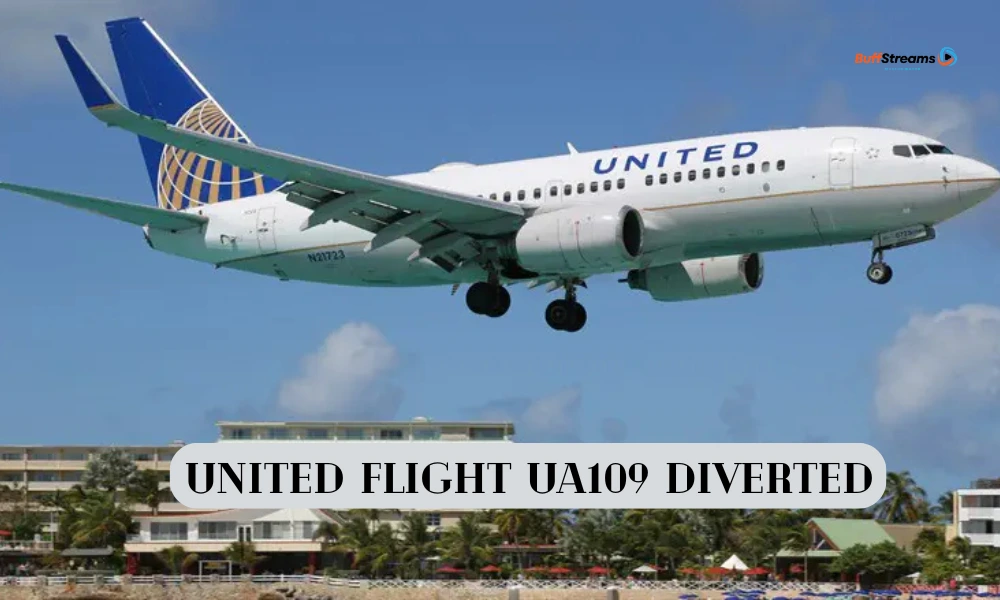
Why Was United Flight UA109 Diverted? Full Details Inside
United Flight UA109 Diverted recently made an unexpected diversion that caught the attention of passengers and aviation enthusiasts alike. The flight, originally scheduled to reach its destination on time, had to alter its course mid-air due to unforeseen circumstances. Diversions of commercial flights are uncommon but occur when safety, weather, or technical issues arise. Airlines prioritize passenger safety, and decisions to reroute are made quickly and efficiently. Understanding the reasons behind such events helps passengers stay informed and reduces anxiety during air travel.
Safety Protocols Triggering Diversions
Flight diversions are often initiated when safety concerns emerge. For United Flight UA109 Diverted, the crew followed standard aviation procedures, ensuring all checks were completed before altering the route. Pilots communicate directly with air traffic control to identify the nearest suitable airport for landing. Diversions can result from onboard medical emergencies, technical malfunctions, or environmental hazards. Airlines have strict protocols that allow flight attendants and pilots to respond immediately, safeguarding passengers and maintaining operational standards. Quick action in such scenarios prevents potential accidents or service disruptions.
Also Read: Sydney Airport Parking Prices: What Affects the Cost
Weather-Related Factors
One of the most common causes of flight diversions is adverse weather conditions. Strong storms, unexpected turbulence, or poor visibility can make the planned landing unsafe. In UA109’s case, meteorological reports indicated sudden weather changes along the original flight path. Pilots rely on real-time weather updates to make informed decisions. Diverting to an alternative airport ensures the aircraft avoids hazardous conditions, protecting passengers and crew. Weather monitoring systems are sophisticated, allowing airlines to anticipate changes and react proactively before safety is compromised.
Technical Issues on Board
Mechanical or technical concerns may also lead to diversions. Airliners undergo rigorous maintenance, but unforeseen issues can arise during flight. Instruments, engine components, or cabin systems may malfunction, prompting the crew to reroute. United Flight UA109 Diverted pilots reportedly detected a minor technical anomaly and chose the closest airport to perform necessary inspections. Addressing such issues immediately prevents complications during landing and ensures the aircraft remains airworthy. Passenger safety is the primary reason airlines opt for precautionary landings in such situations.
Medical Emergencies
Unexpected medical emergencies among passengers can necessitate a diversion. Flight attendants are trained to manage health crises, but some situations require immediate medical attention on the ground. UA109 faced a scenario where a passenger needed urgent care, prompting the pilots to land at the nearest airport equipped to handle the situation. Rapid response in these cases can save lives and ensures passengers receive proper medical treatment. Airlines coordinate with ground medical teams to facilitate swift and efficient care upon landing.
Air Traffic Control and Operational Reasons
Air traffic control (ATC) plays a vital role in flight diversions. Congested airspace, runway closures, or airport emergencies can force rerouting. UA109’s diversion involved coordination between the flight crew and ATC to identify an optimal landing solution. Operational decisions may also include avoiding restricted airspace or accommodating other emergency landings. These decisions are made in real-time to maintain overall air traffic safety. Effective communication between pilots and controllers ensures the flight reaches a safe airport without unnecessary delays.
Passenger Experience During Diversions
While diversions may cause concern, airlines aim to minimize inconvenience. Passengers on UA109 were informed promptly and provided updates throughout the rerouting process. Airlines arrange for ground transportation, meals, or accommodations if necessary. Flight crews maintain clear communication to reduce stress and maintain comfort. Understanding that diversions are precautionary measures can reassure travelers. Proper handling of such events reflects an airline’s commitment to passenger care and operational responsibility.
FAQs
Q1: How often do flights get diverted?
A1: Diversions are rare but not unusual. Airlines prioritize safety and make decisions based on real-time circumstances such as weather, technical issues, or emergencies.
Q2: Are passengers compensated for diversions?
A2: Compensation varies by airline policy. Passengers may receive meal vouchers, accommodation, or assistance with rebooking connecting flights depending on the situation.
Q3: Can diversions cause flight delays?
A3: Yes, diversions often result in delays, sometimes by several hours. Airlines work to minimize the impact and keep passengers informed.
Q4: What happens after the plane lands?
A4: After landing, technical inspections or medical handovers are conducted. Passengers are provided support for onward travel or connections.
Conclusion
The diversion of United Flight UA109 Diverted highlights the airline’s commitment to safety and operational prudence. Decisions to reroute a flight are never taken lightly and involve careful coordination between pilots, crew, and air traffic control. Factors such as weather, technical issues, medical emergencies, and airspace management can all prompt diversions. Passengers benefit from prompt communication, support services, and a focus on safety. Understanding these processes reassures travelers that airlines prioritize protection and efficient problem-solving above all else.