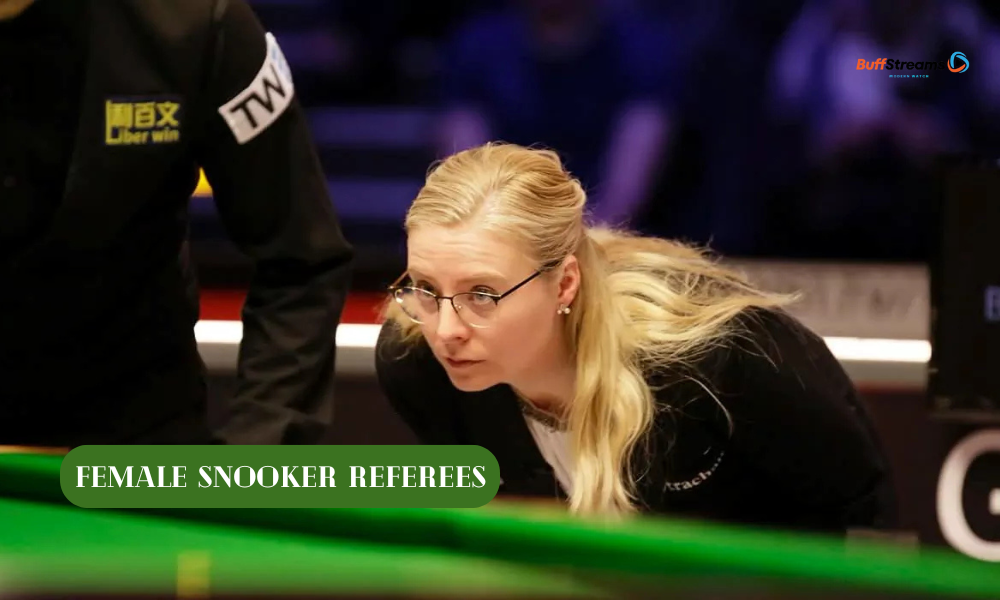
The Rise and Influence of Female Snooker Referees in the UK
The world of snooker has traditionally been dominated by male players and officials, but in recent years, female snooker referees have steadily reshaped the landscape. Their growing presence in major tournaments reflects both progress in gender equality and a broader evolution within the sport. In the UK especially, where snooker enjoys deep cultural roots, these referees are gaining recognition for their professionalism, precision, and authority. This article explores their journey, highlights key figures, and examines how they are influencing the future of snooker officiating.
Breaking Barriers in a Traditional Sport
Snooker has long been perceived as a conservative sport, with traditions that date back over a century. For decades, refereeing roles were largely occupied by men, making it difficult for women to enter the field. However, the emergence of female snooker referees challenged these norms, proving that officiating excellence is not defined by gender. Through rigorous training and consistent performance, women began to earn trust within the professional circuit. Their presence today represents not just inclusion but a shift in how talent and capability are recognised in UK snooker.
Pioneers Who Changed the Game
Several trailblazing women have played a crucial role in redefining refereeing standards in snooker. Michaela Tabb is widely regarded as a pioneer, becoming the first woman to officiate a World Snooker Championship final. Her calm authority and sharp decision-making set a benchmark for others. Following her, referees like Desislava Bozhilova and Tatiana Woollaston have further cemented the role of women at the highest levels. These figures have inspired a new generation of aspiring referees across the UK and beyond.
Skills and Qualifications Required
Becoming a professional snooker referee demands a high level of technical knowledge, concentration, and composure under pressure. Female referees must master the rules of the game, maintain accuracy in scoring, and handle high-stakes situations with confidence. Training often involves officiating at amateur levels before progressing to professional tournaments. For female snooker referees, the challenge can be twofold: excelling in the role while also navigating lingering biases. Nevertheless, their consistent performance has demonstrated that skill and discipline are the defining factors of success in this profession.
Also Read: Eurogamersonline The Different Types: A Complete Guide for Modern Gamers
Key Female Snooker Referees: Bio Table
| Name | Nationality | Notable Achievement | Years Active |
| Michaela Tabb | Scottish | First woman to referee World Championship final | 2000s–2015 |
| Desislava Bozhilova | Bulgarian | Officiated Triple Crown events | 2010s–Present |
| Tatiana Woollaston | British | Regular official in ranking tournaments | 2010s–Present |
| Maike Kesseler | German | Prominent European referee | 2010s–Present |
This table highlights some of the most influential female snooker referees, showcasing their contributions and growing presence in the sport.
Growing Representation in UK Snooker
The UK remains the epicentre of professional snooker, hosting prestigious tournaments such as the World Championship and the UK Championship. In recent years, more female snooker referees have been appointed to officiate these events, reflecting a conscious effort toward inclusivity. Their visibility on televised matches has also played a significant role in changing public perception. As audiences become more accustomed to seeing women in officiating roles, the focus naturally shifts toward performance rather than gender, which is a positive development for the sport.
Challenges and Opportunities
Despite progress, female referees still face certain challenges, including underrepresentation and occasional scrutiny that their male counterparts may not experience. However, these obstacles are gradually diminishing as governing bodies promote diversity and equal opportunities. Initiatives aimed at training and mentoring new referees are helping to create a more balanced pipeline. For aspiring female snooker referees in the UK, the opportunities today are far greater than they were a decade ago, making it an increasingly viable and respected career path.
Impact on the Future of Snooker
The influence of female referees extends beyond officiating matches. They serve as role models, encouraging young women to participate in various aspects of the sport. Their presence also aligns with broader societal shifts toward gender equality in professional environments. As more women enter the field, the diversity of perspectives and experiences enriches the sport as a whole. The continued success of female snooker referees will likely inspire further reforms, ensuring that snooker remains relevant and inclusive for future generations.
FAQs
1. Who was the first female snooker referee to officiate a World Championship final?
Michaela Tabb was the first woman to achieve this milestone, marking a historic moment in the sport.
2. Are there many female snooker referees in the UK today?
Yes, the number is steadily increasing, with more women officiating at both amateur and professional levels across the UK.
3. What qualifications are needed to become a snooker referee?
Referees must have in-depth knowledge of the rules, undergo training, and gain experience through officiating matches at various levels.
4. Do female referees officiate major tournaments?
Absolutely. Many female snooker referees now officiate high-profile events, including ranking tournaments and Triple Crown competitions.
5. Is snooker becoming more inclusive?
Yes, the sport is evolving to embrace diversity, with increased representation of women in both playing and officiating roles.
Conclusion
The rise of female snooker referees marks a significant turning point in the sport’s history, particularly within the UK. From breaking long-standing barriers to officiating at the highest levels, these professionals have proven their capability and resilience. Their contributions are not only enhancing the quality of officiating but also promoting inclusivity and equal opportunity. As the sport continues to evolve, the role of women in snooker officiating will undoubtedly expand, shaping a more balanced and progressive future for the game.