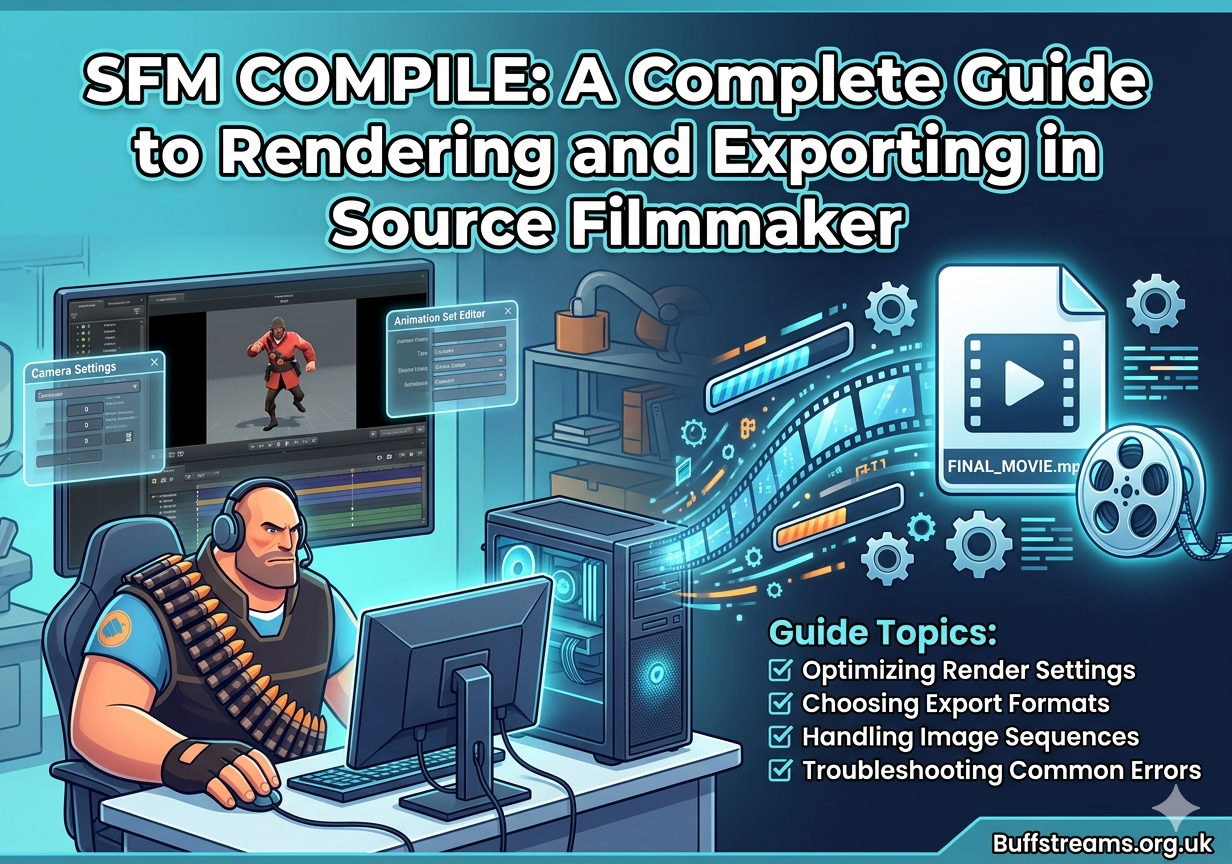
SFM Compile: A Complete Guide to Rendering and Exporting in Source Filmmaker
SFM compile is a crucial step in the workflow of anyone using Source Filmmaker to create animations, cinematic scenes, or game-inspired videos. It refers to the process of rendering your project into a final video format that can be shared, uploaded, or edited further. While creating scenes and animations is creative and engaging, compiling ensures your work is transformed into a polished output. Understanding how sfm compile works helps avoid common rendering issues, improves quality, and optimizes performance, making your final product look professional and smooth.
What Is SFM Compile and Why It Matters
SFM compile essentially means converting your animated project into a playable video file. After arranging models, lighting, camera movements, and animation sequences, the compile process processes all those elements into frames. These frames are then stitched together to create the final output video. This step is important because it determines the visual quality, resolution, and frame rate of your project. A well-executed sfm compile ensures that your animation looks exactly as intended, without glitches, missing textures, or performance-related artifacts.
Also Read: Social Media Stuff Embedtree: A Smart Way to Organize Your Online Presence
Understanding the Rendering Process in SFM
The sfm compile process involves rendering each frame individually before combining them into a final video. Unlike real-time playback in the editor, rendering calculates lighting, shadows, reflections, and motion blur with higher accuracy. This makes the final output significantly better than what you see during editing. However, rendering can be resource-intensive, depending on scene complexity and output settings. By understanding how SFM processes frames, users can make informed decisions about resolution, sampling, and rendering methods to achieve optimal results without unnecessary delays.
Key Settings to Optimize SFM Compile
To achieve the best results during sfm compile, users must carefully configure settings such as resolution, frame rate, anti-aliasing, and motion blur. Higher resolutions like 1080p or 4K provide better clarity but require more processing power. Frame rate settings, typically 24 or 60 FPS, affect the smoothness of animation. Anti-aliasing reduces jagged edges, while motion blur enhances realism in fast-moving scenes. Balancing these settings is essential because overly high configurations can slow down rendering, while low settings may reduce visual quality significantly.
Common Errors and How to Fix Them
Many users encounter issues during the sfm compile stage, including missing textures, lighting inconsistencies, or crashes. Missing textures often occur due to incorrect file paths or unlinked assets. Lighting problems can arise from improperly configured light sources or rendering settings. Crashes usually happen when system resources are insufficient or scenes are too complex. To fix these issues, users should verify asset paths, reduce scene complexity, and ensure their system meets the required specifications. Regularly saving projects and testing smaller renders can also prevent major setbacks.
Best Practices for Efficient Compilation
Efficiency in sfm compile depends on both preparation and workflow optimization. Breaking large projects into smaller segments can significantly reduce rendering time and minimize errors. Using image sequence output instead of direct video rendering is another effective method, as it allows recovery from interruptions without restarting the entire process. Additionally, closing unnecessary background applications helps allocate more system resources to rendering. These practices not only improve performance but also ensure a smoother and more reliable compilation process.
Tools and Enhancements for Better Output
Several tools and techniques can enhance the sfm compile process. External video editors can be used to combine image sequences and add post-processing effects like color grading and transitions. Plugins and scripts within Source Filmmaker can also optimize rendering workflows. Adjusting lighting setups, refining camera angles, and using high-quality assets further improve the final output. By combining built-in features with external tools, users can elevate their projects from basic animations to cinematic-quality productions.
Export Formats and Final Output Considerations
Choosing the right output format is a key part of sfm compile. Common formats include AVI and image sequences like PNG or TGA. Image sequences are preferred for high-quality projects because they preserve detail and allow flexibility in post-production. Compression settings also play a role in determining file size and quality. Users should consider where the final video will be published, such as online platforms or presentations, and adjust export settings accordingly to balance quality and performance.
FAQs
1. What does sfm compile mean?
SFM compile refers to the process of rendering and exporting a Source Filmmaker project into a final video or image sequence format.
2. Why does my SFM compile take so long?
Rendering time depends on scene complexity, resolution, and system performance. High-quality settings and detailed scenes increase compile time significantly.
3. What is the best format for sfm compile?
Image sequences like PNG are often preferred because they provide higher quality and flexibility for editing compared to direct video formats.
4. How can I fix missing textures during compile?
Ensure all asset paths are correct and that required files are properly loaded within your project before starting the compile process.
5. Can I improve performance during sfm compile?
Yes, reducing scene complexity, lowering resolution, and closing background applications can significantly improve rendering performance.
Conclusion
SFM compile is a vital stage that transforms creative ideas into a finished visual product. By understanding how rendering works, optimizing settings, and following best practices, users can achieve high-quality results without unnecessary complications. Addressing common issues and leveraging the right tools further enhances efficiency and output quality. Whether creating simple animations or complex cinematic scenes, mastering the sfm compile process ensures that every project is presented in the best possible way, reflecting both technical precision and creative intent.