How Creators Use AI Text to Speech to Produce Content Faster
The rise of artificial intelligence has transformed the way content creators work, enabling faster production without sacrificing quality. Among the many tools available today, AI-powered solutions have become indispensable in accelerating video production, podcast creation, and social media content. One of the standout technologies making waves is AI text to speech, which allows creators to convert written scripts into natural-sounding audio in minutes.
The Rise of AI in Content Creation
In the past, producing high-quality content often required hours of recording, editing, and fine-tuning audio. Creators had to rely on professional voice actors or spend countless hours perfecting their own voice recordings. Today, AI tools streamline this process significantly. AI text to speech technology, in particular, bridges the gap between written content and audio delivery, making it easier to produce podcasts, video narrations, and audiobooks efficiently. Platforms like invideo have integrated this technology seamlessly into their workflows, allowing creators to generate voiceovers directly from scripts, reducing the time and effort needed to produce polished content.
How AI Text to Speech Works
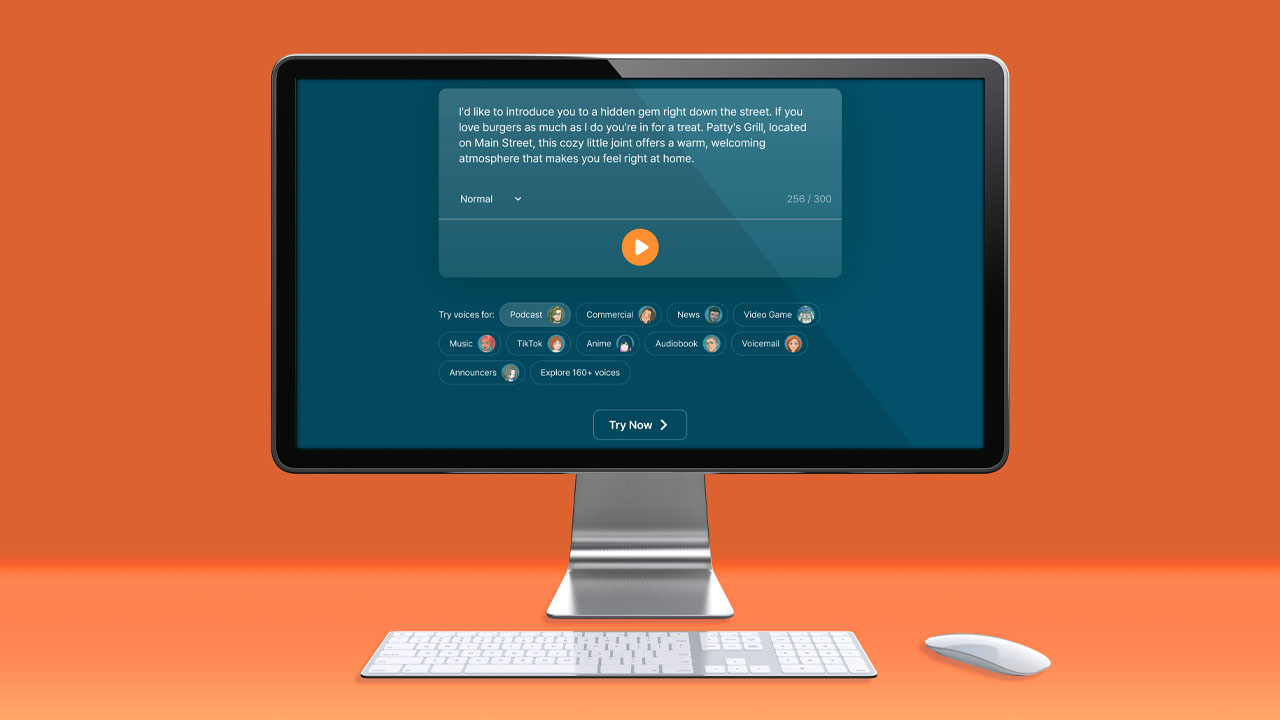
At its core, AI text to speech uses deep learning models to analyze written text and generate human-like speech. Unlike older text-to-speech systems that sounded robotic or unnatural, modern AI engines can replicate tone, pitch, and pacing to match various styles of narration. This makes it possible for creators to produce content that feels engaging and professional without needing advanced recording equipment or specialized audio editing skills.
Key Features of AI Text to Speech
- Voice Customization: Creators can choose from multiple voice styles and accents, tailoring audio to match their audience or content style.
- Speed Control: The pacing of speech can be adjusted to suit different formats, whether it’s a quick social media clip or a detailed instructional video.
- Multilingual Support: Many AI systems can convert text into multiple languages, helping creators expand their reach globally.
- Consistency: AI voiceover ensures that tone, pronunciation, and style remain consistent across large projects, which is particularly useful for serialized content or ongoing campaigns.
Practical Applications for Content Creators
1. Video Content Creation
Video production has always been resource-intensive. Beyond scripting and visuals, the audio component can often be the most time-consuming. With AI text to speech, creators can quickly generate narrations for videos, speeding up the production cycle. For instance, when using an AI video app to create explainer videos or social media clips, creators can simply input their script and receive a professional-quality voiceover in minutes. This eliminates the need for manual recording sessions, multiple takes, and complex editing, making it easier to maintain a steady content schedule.
2. Podcast Production
Podcasts continue to grow in popularity, but producing them involves significant effort in scripting, recording, and editing. AI text to speech technology allows podcasters to create audio versions of their written scripts quickly. This is especially helpful for solo creators who may not have access to professional recording equipment or voice actors. By leveraging AI-generated voiceovers, podcasters can focus more on content strategy, topic research, and promotion rather than spending hours recording audio.
3. Audiobooks and Educational Content
The demand for audiobooks and online courses has surged in recent years. Traditional narration can be costly and time-consuming, particularly for long-form content. AI text to speech provides a scalable solution for creators who want to produce educational materials or narrate books efficiently. By converting text into natural-sounding audio, creators can deliver engaging learning experiences while significantly reducing production time.
4. Accessibility Enhancements
Creating accessible content is becoming increasingly important for creators. AI text to speech allows videos, blogs, and educational materials to be transformed into audio, making them accessible to audiences with visual impairments or reading difficulties. This not only broadens the audience base but also ensures that content meets accessibility standards.
Advantages of Using AI Text to Speech
Speed and Efficiency
The most obvious benefit is time savings. Tasks that would traditionally take hours, such as recording and editing voiceovers, can now be completed in minutes. Creators can iterate on scripts and generate multiple versions of audio quickly, enabling faster experimentation and content optimization.
Cost-Effectiveness
Hiring professional voice actors, studio time, and audio editing services can be expensive. AI text to speech reduces these costs significantly, making high-quality audio production accessible even to creators on a limited budget. Platforms like invideo integrate AI voiceovers within their video creation process, allowing creators to combine narration with visuals efficiently, all without additional expenses.
Scalability
For creators producing high volumes of content, scalability is critical. AI text to speech allows creators to generate multiple voiceovers simultaneously or create content in multiple languages without expanding the team. This is particularly beneficial for educational channels, e-learning platforms, or creators targeting international audiences.
Consistency
Maintaining consistent tone and quality across content can be challenging when relying on human narrators. AI text to speech ensures that voice characteristics remain uniform across videos, podcasts, and other audio content, which helps build a recognizable brand voice and improves the overall user experience.
Best Practices for Using AI Text to Speech
While AI text to speech is powerful, creators should follow certain practices to maximize quality and engagement:
- Refine Your Script: AI-generated voices are only as good as the text input. Make sure your scripts are clear, concise, and free of grammatical errors.
- Choose Appropriate Voice Styles: Different types of content benefit from different tones. For educational videos, a calm and clear voice may work best, while energetic tones may suit social media clips.
- Edit for Natural Flow: Even with advanced AI, minor adjustments to pacing, emphasis, and pauses can make the audio sound more natural.
- Combine With Visuals: Using AI video apps in tandem with AI voiceovers can enhance engagement by matching visuals with narration effectively.
- Test With Your Audience: Gather feedback on voice clarity, tone, and engagement to fine-tune the output.
Challenges and Considerations
Avoiding Robotic Sound
Despite advancements, some AI-generated voices may still sound slightly mechanical in certain contexts. Creators need to review audio and make adjustments to pacing or tone to enhance naturalness.
Pronunciation and Accents
AI systems may occasionally mispronounce words, especially uncommon terms or brand names. Creators should proof-listen to ensure accuracy and make necessary corrections before publishing.
Maintaining Authenticity
While AI can produce professional-sounding audio, audiences often value a human touch. Incorporating occasional human voice recordings or mixing AI and human narration can maintain authenticity while still saving time.
The Future of AI-Driven Content Creation
AI text to speech is just one aspect of a broader trend toward AI-driven content production. As technology continues to improve, creators can expect even more natural-sounding voices, multilingual capabilities, and integration with AI video apps and editing platforms. This evolution will make it increasingly feasible for creators to produce high-quality content at scale, experiment with new formats, and reach wider audiences.
Moreover, AI-powered tools will continue to reduce barriers for new creators. Individuals with limited resources or technical expertise can now compete alongside established creators, leveraging AI to bring their ideas to life. As a result, content ecosystems are becoming more diverse and dynamic, with a wider range of voices and perspectives represented.
Conclusion
AI text to speech has revolutionized the way creators approach content production, making it faster, more efficient, and more accessible. From video narrations and podcasts to audiobooks and educational materials, creators can now produce high-quality audio content without the traditional time and cost barriers. By integrating AI voiceover technology with tools like invideo or using AI video apps for complete production, creators can focus on the creative aspects of their work while letting AI handle the technical execution.
As AI technology continues to evolve, the possibilities for creators are virtually limitless. Embracing AI text to speech is no longer just a convenience—it is becoming a standard part of modern content creation workflows, empowering creators to produce more content, experiment with new formats, and reach audiences faster than ever before.